Why Version Control Exists: The Pendrive Problem
"Turning scattered file versions into a single source of truth"

Imagine we’re working on a school or office project with our friends.
One person edits the file, saves it to a pendrive, and passes the pendrive to the next person. That person makes changes, saves it again, and passes it to someone else.
At first, this feels simple.
But very quickly, chaos begins.
The Pendrive Analogy in Software Development:-
Early software development often worked in a very similar way.
Developers would share code using:
Pendrives
Email attachments
Shared folders on a computer or local network
A typical workflow looked like this:
Dev A writes some code and saves
project_final.zipDev B edits it and saves
project_final_v2.zipDev C makes changes and saves
project_latest_final.zipDev A again updates and saves
project_latest_final_new.zip
Soon the folder looks like:
project_final
project_final_v2
project_final_latest
project_final_latest2
project_really_final
project_really_final2
final_final
final_final_latest
Nobody knows:
Which file is actually the newest
What exactly changed between versions
Who made which change
This is the “pendrive problem”.
Problems Faced Before Version Control Systems:-
1. Overwriting Each Other’s Work
If two developers edit the same file at the same time, whoever saves last overwrites the other person’s work.
The first developer’s changes are simply gone.
2. Losing Important Changes
If a file is accidentally deleted or overwritten, there is no reliable way to go back.
You can’t say:
“Let’s return to the version from yesterday at 5 PM.”
Because that version probably doesn’t exist anymore.
3. No History of What Happened
There’s no timeline of changes.
You can’t answer questions like:
Who introduced this bug?
When was this line of code added?
Why was this function changed?
Everything is just “the latest file”.
4. No Safe Experimentation
Developers become afraid to try big changes.
If an experiment breaks the code, there’s no easy undo.
So innovation slows down because:
“Don’t touch it, it’s working right now.”
5. Team Collaboration Becomes Painful
When multiple developers work together:
Files get emailed back and forth
Different people work on different copies
Merging those copies becomes manual copy-paste
This leads to:
Conflicts
Duplicate work
Hidden bugs
From Pendrives to Professional Collaboration:-
The pendrive-style workflow works only when:
One person edits at a time
Everyone is extremely careful
The project is very small
As soon as teams grow or projects become complex, this approach completely breaks down.
Real-world teams need:
A single trusted source of truth
A full history of every change
A way for many people to work at the same time without destroying each other’s work
This need made version control not just helpful, but mandatory.
How Version Control Solves the Pendrive Problem:-
A Version Control System (VCS) acts like a super-powered timeline for your code.
Instead of passing files around, everyone works on the same project history.
It provides:
📌 Change tracking
Every modification is recorded with author, time, and description.⏪ Time travel
You can return to any previous version instantly.🧪 Safe experimentation (branches)
Try new ideas without breaking the main project.🤝 Parallel collaboration
Multiple developers can work at the same time and later combine their changes safely.🔍 Clear differences (diffs)
You can see exactly what changed between any two versions.
Pendrive Workflow vs Version Control Workflow:-
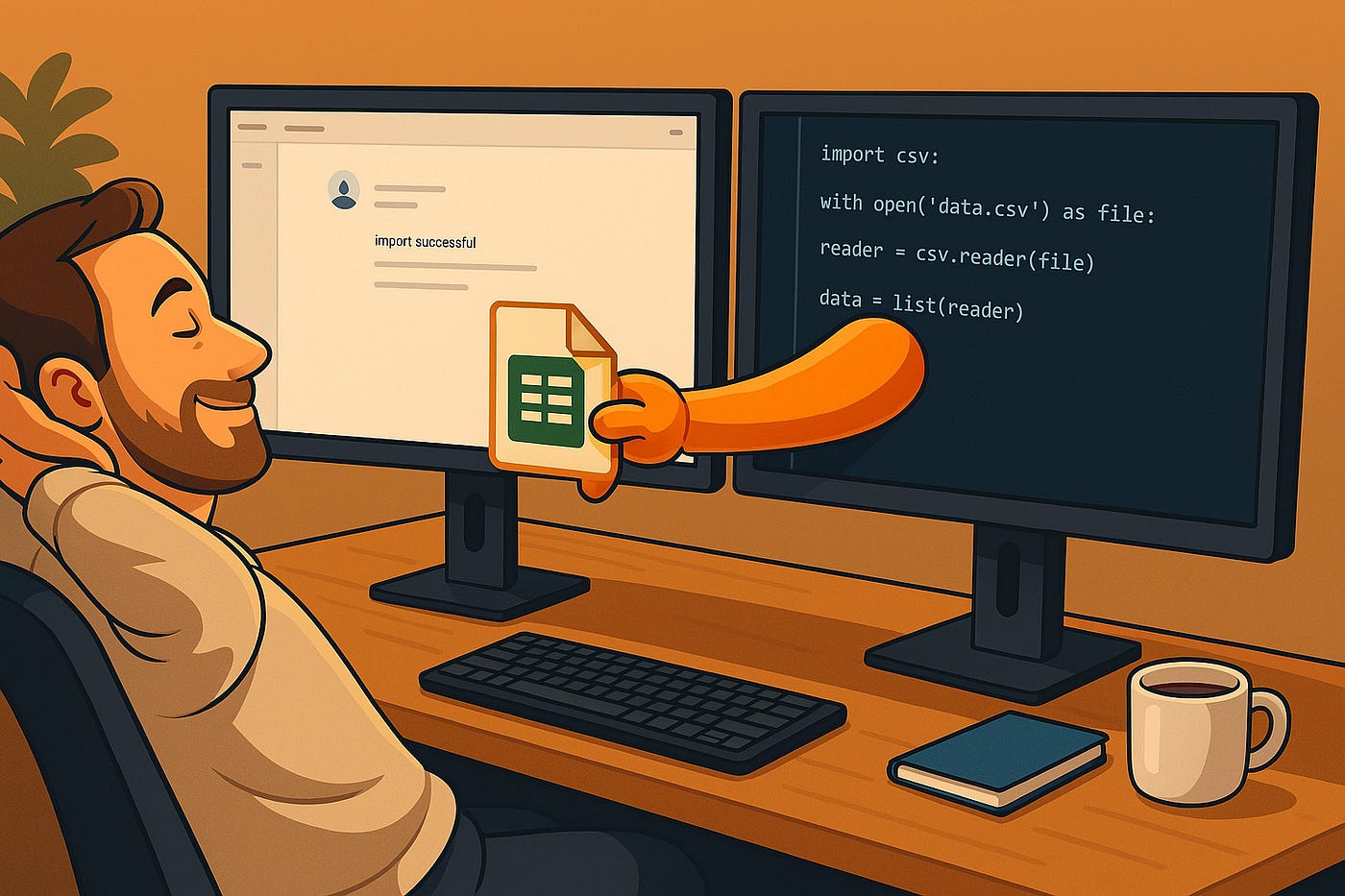
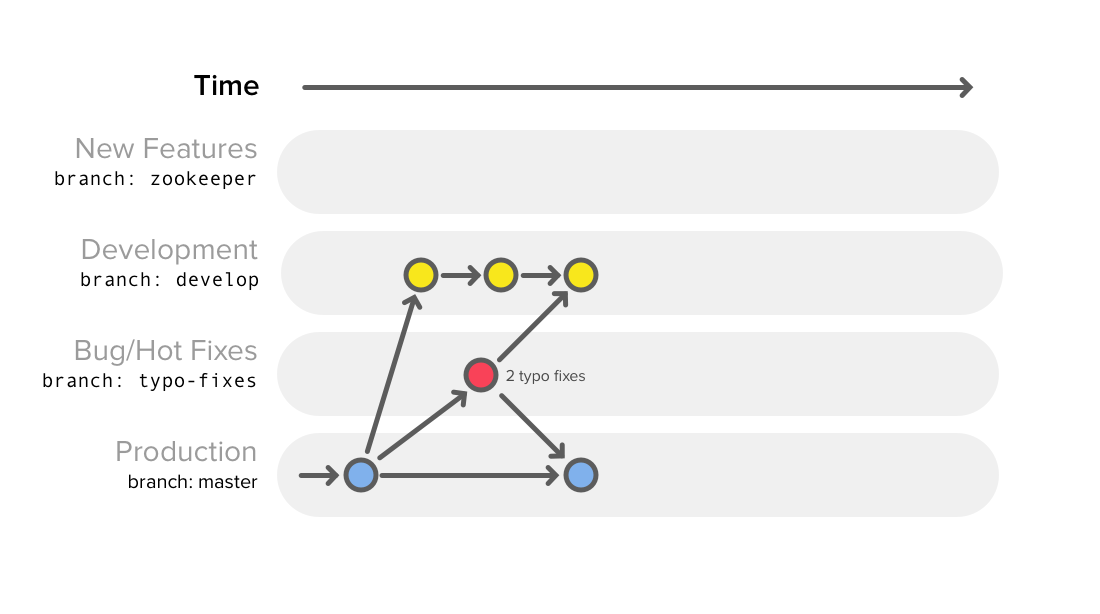
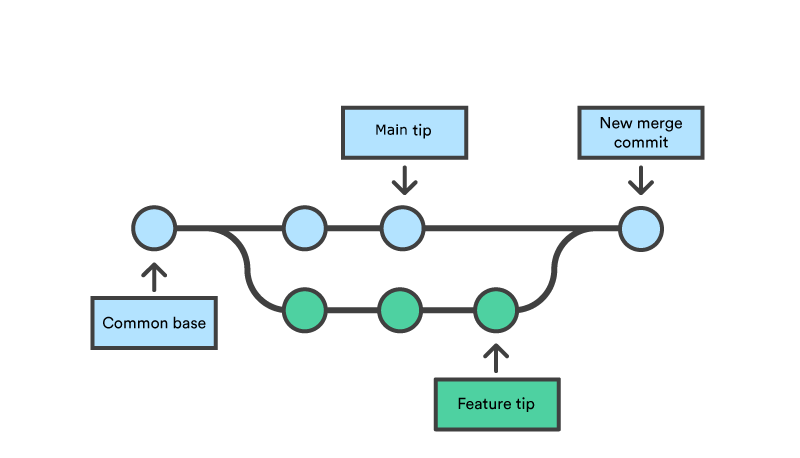
Pendrive style
One moving copy of the project
Manual file naming for versions
Easy to overwrite and lose work
No built-in history
Version control style
Shared repository with full history
Automatic versioning through commits
Safe merging of multiple contributors
Complete, searchable timeline of changes
When Multiple Developers Edit the Same File:-
Without version control:
Last saved file wins
Other changes disappear
With version control:
The system detects conflicts
Forces developers to review and merge changes safely instead of silently overwriting them
The Timeline That Never Forgets:-
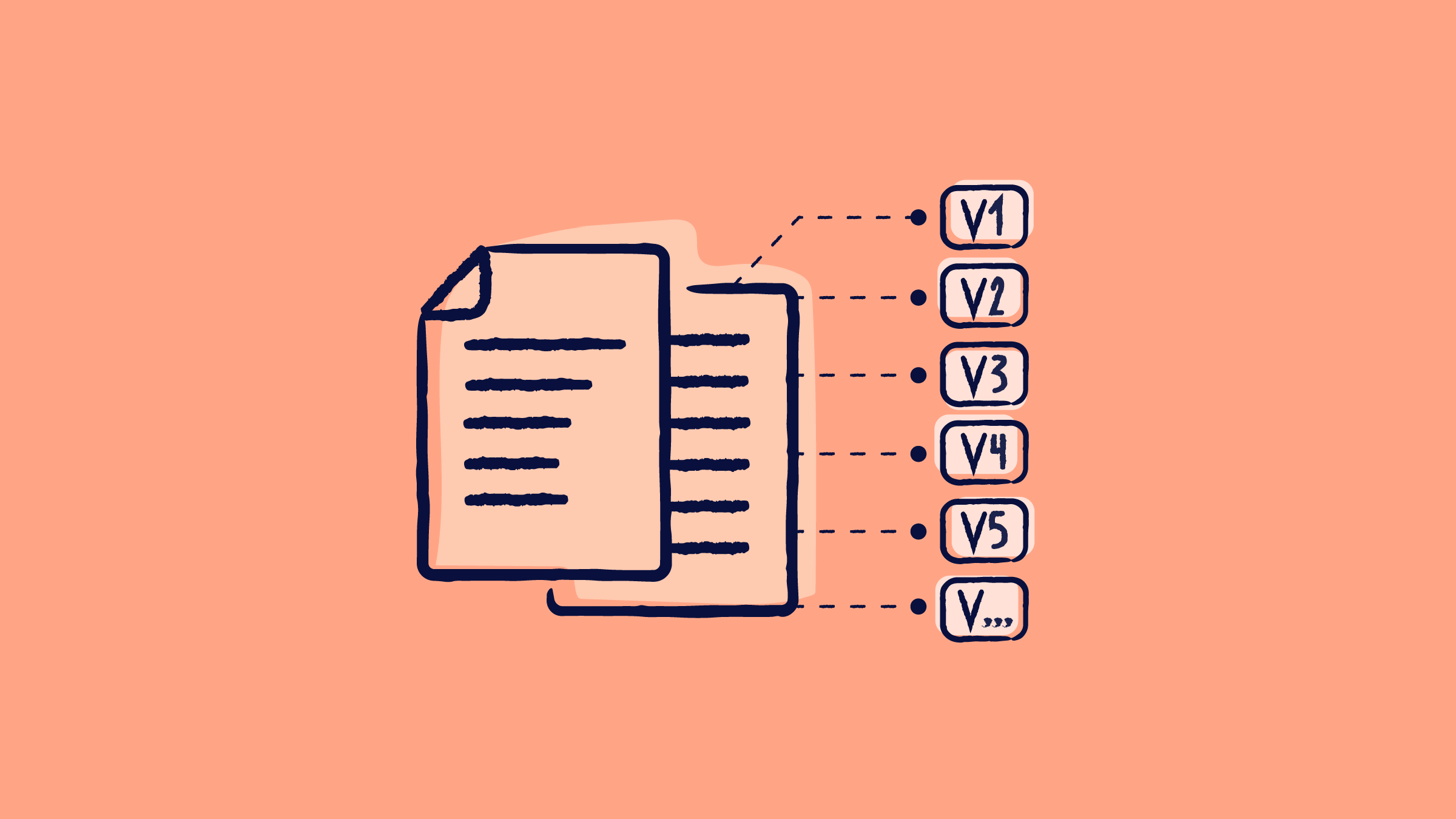
Instead of messy folders like final_v3_latest_really_final, version control gives you a clean, permanent timeline:
- v1 → v2 → v3 → v4 …
Every step is saved forever, and you can jump to any point.
Nothing gets mysteriously lost.
Why Version Control Became Essential:-
Modern software is built by teams, not individuals.
Apps may have:
Thousands of files
Hundreds of contributors
Years of continuous changes
Passing a pendrive or emailing zip files simply cannot handle this scale.
Version control systems became essential because they:
Protect work from being lost.
Make teamwork safe and organized.
Provide accountability and traceability.
Encourage experimentation without fear.
Summary:-
Version control exists because software development outgrew the “pendrive and final_v2.zip” era, and needed a reliable, shared memory of every change ever made.


